IMDB: https://www.imdb.com/title/tt0083951/
TMDB: https://www.themoviedb.org/movie/27273-the-flight-of-dragons
Wikipedia: https://en.wikipedia.org/wiki/The_Flight_of_Dragons
The Flight of Dragons is a film directed by Jules Bass and Arthur Rankin Jr., based loosely on the book of the same name by Peter Dickinson and The Dragon and the George by Gordon R. Dickson. In the film, two worlds are explored: a world of science, representing our world, and a world of magic, an ancient fantasy world where dragons live. The world of magic is dying out, making the dragons who live in it the symbol of imagination under threat. An unlikely hero rises, who tries to defeat the evil with... science?
Some of the dragons who play a most prominent role in the story are as follows:
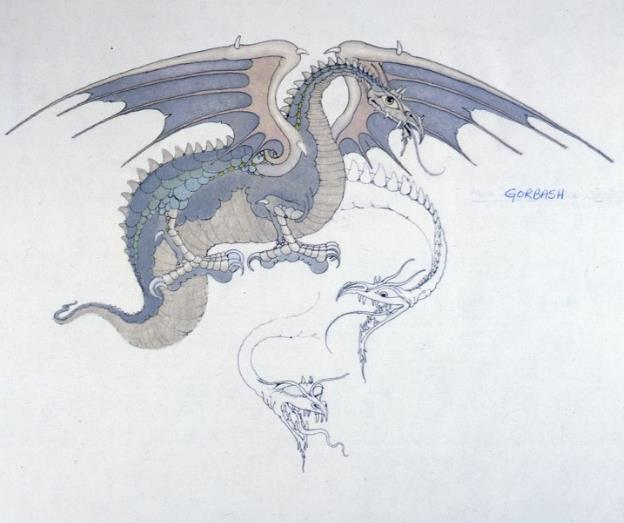
- Gorbash: Gentle, loyal, and introspective. He's the emotional heart of the dragonkind and a lens for the audience's sympathy.
- The Dragon Council: Elders who reflect wisdom, fear, and resignation about their species' end.
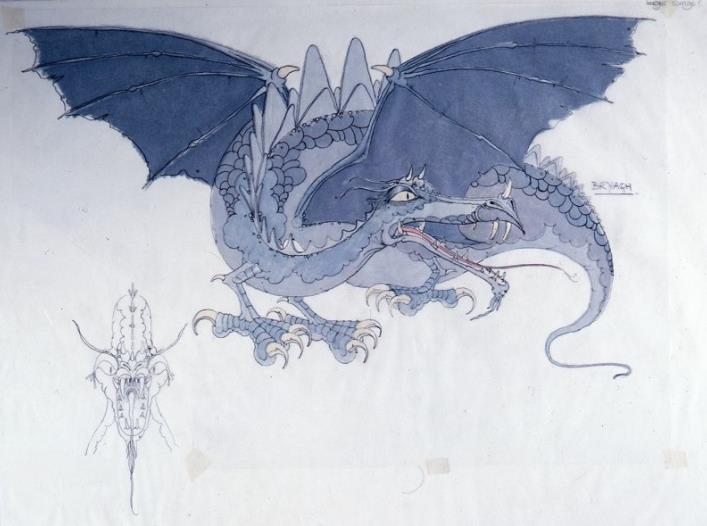
- Bryagh: The dragon of the antagonist Ommadon, embodying destructive, self-serving power and the dark side of magic when untethered from balance.
The movie has a unique 80's feel to it, making you yearn for a world that could not be, as the responsibilities of the human world plague the back of your head. Yet it gives hope, showcasing that knowledge and belief can coexist. The most recommended way to watch this film nowadays is to buy the Warner Archive Collection Blu-ray release, as it comes with high quality widescreen video and audio.
The movie is famous for its attempt at scientifically explaining the way dragons are able to fly and breathe fire. Other facets are explored as well, such as why dragons have the tendency to hoard gold (most beds are flammable, so they opt for a soft metal to sleep on). Its most famous scene sees the protagonist Peter getting stuck in the body of a dragon, needing to be mentored by an elder dragon named Smrgol in what being a dragon entails. As he explains the way a dragon's body works, Peter tries to apply scientific reasoning.
Theatrical release
The video was released direct-to-video in 1982. Inherent to the VHS format and the standard size of television sets at the time, the movie was released in a 4:3 aspect ratio. However, the movie was originally intended to be released in cinemas, as revealed by Warner Classics. There, widescreen aspect ratios and movies on film were the standard, and as such, the movie was originally made to support this. Because the movie never made it to the big screen, the widescreen version was lost media.
In 2018, Warner Bros. announced it would release The Flight of Dragons as part of its Warner Archive Collection Blu-ray. For this Blu-ray release, the original film got restored to HD and a new widescreen version was made to fit modern television sets with an aspect ratio of 16:9. And with that, the widescreen version finally got a chance to shine.
Soundtrack
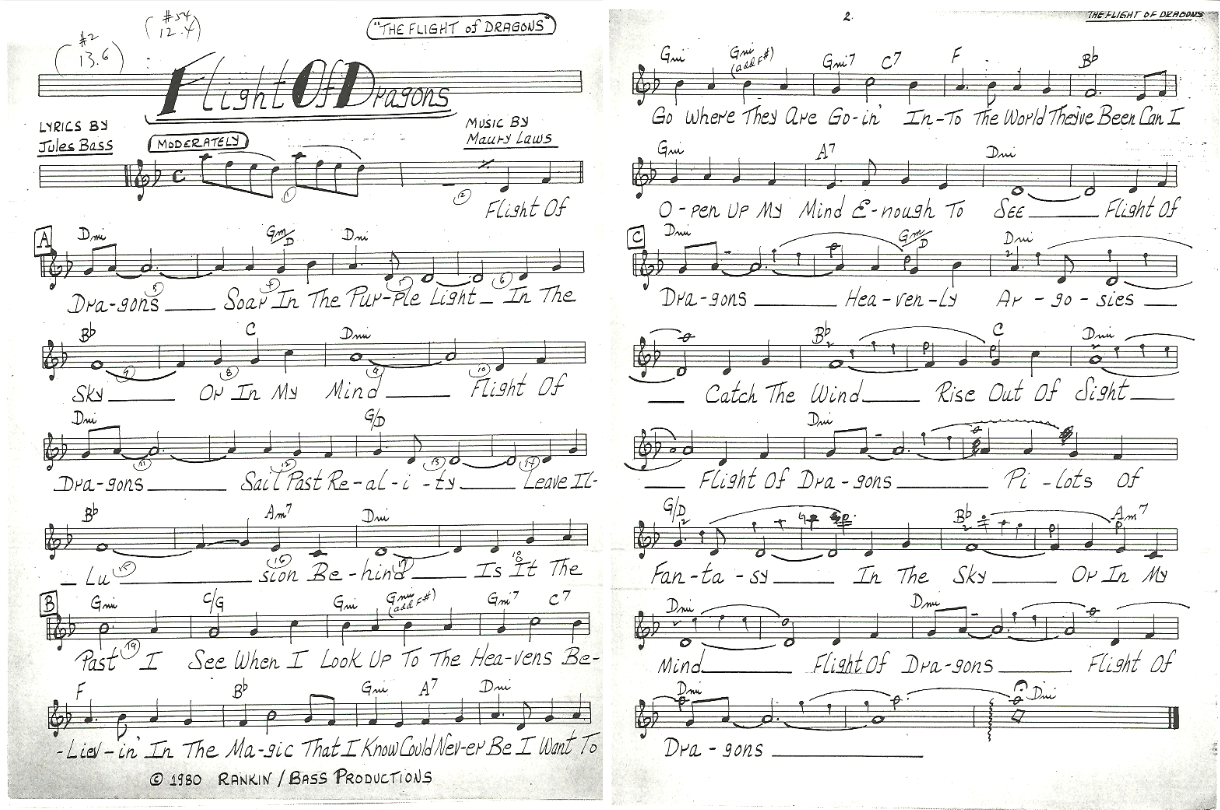
One of the most memorable parts of the movie is its opening song. It was written and composed by Jules Bass and Maury Laws, and performed by Don McLean. An official soundtrack was never released. Therefore, the best possible quality can only be found on the Warner Archive Collection Blu-ray release, where the movie's audio is encoded losslessly (Stereo DTS-HD MA).
The Flight of Dragons - Intro.flac
The original score from Maury Laws, accompanied by the lyrics from Jules Bass, did however surface online. This would allow anyone to recreate the theme song as it was originally intended.
Concept art
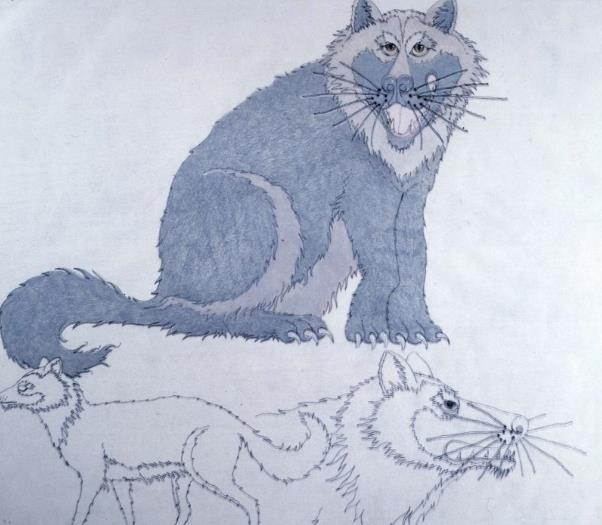
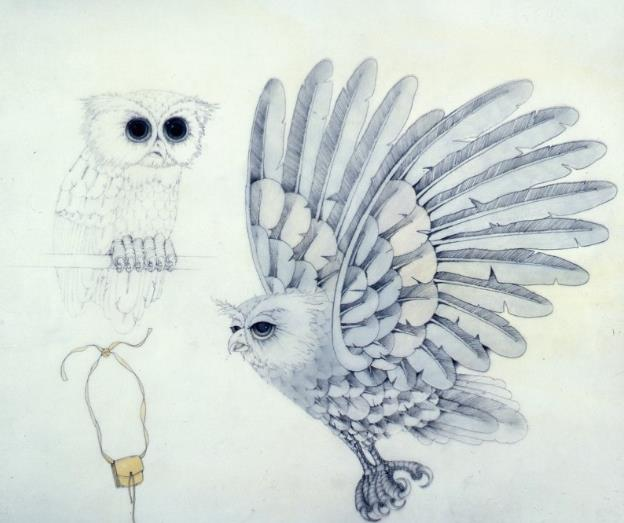
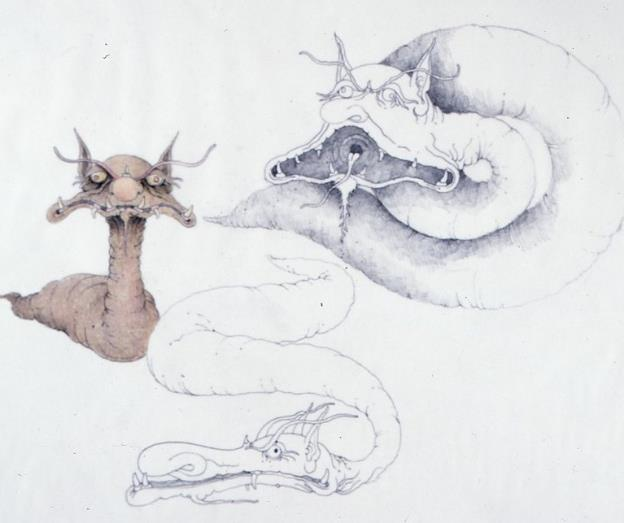
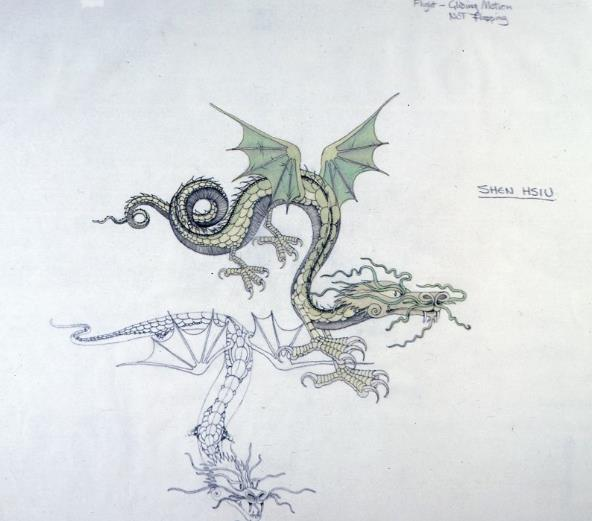
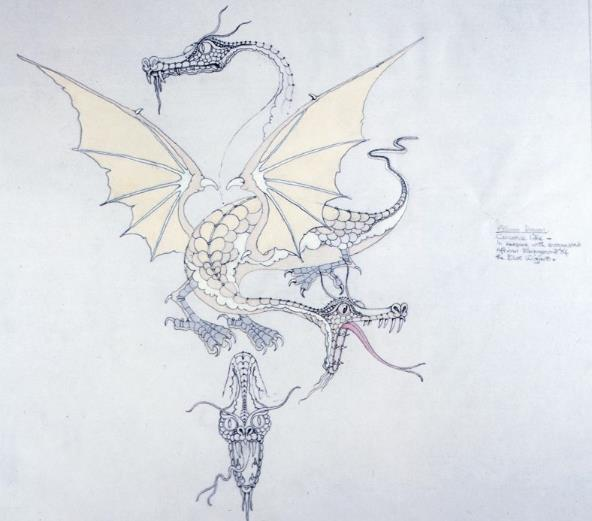
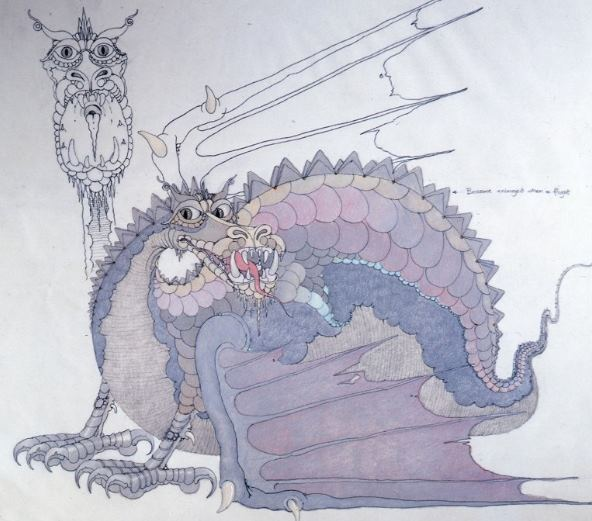
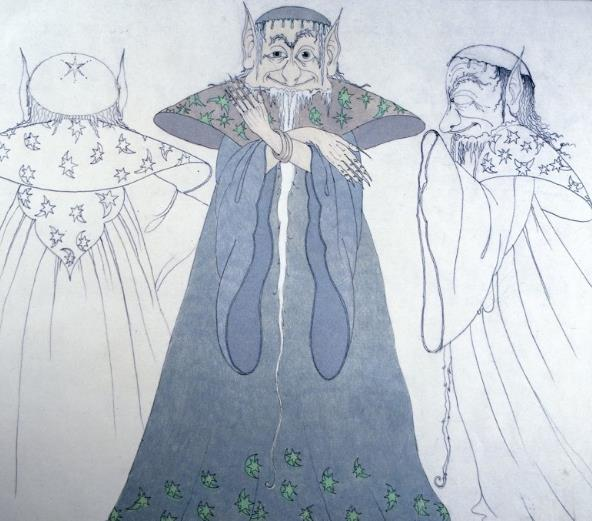
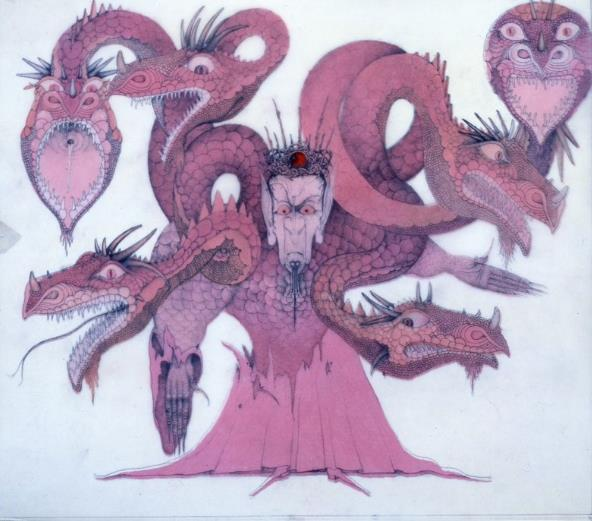
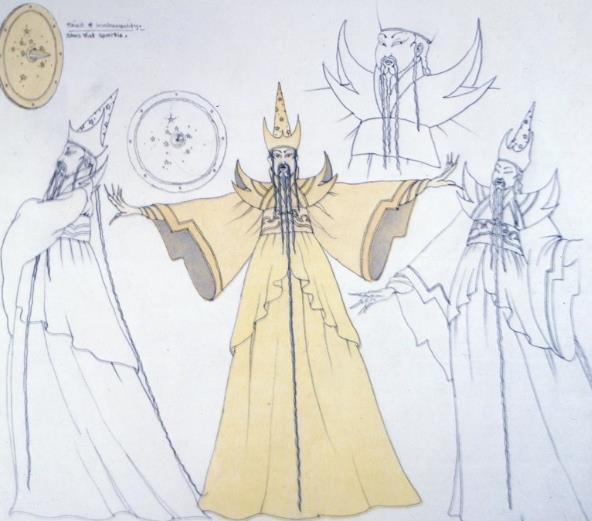
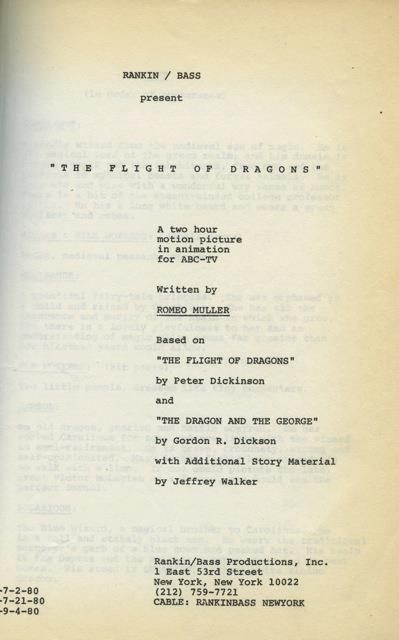
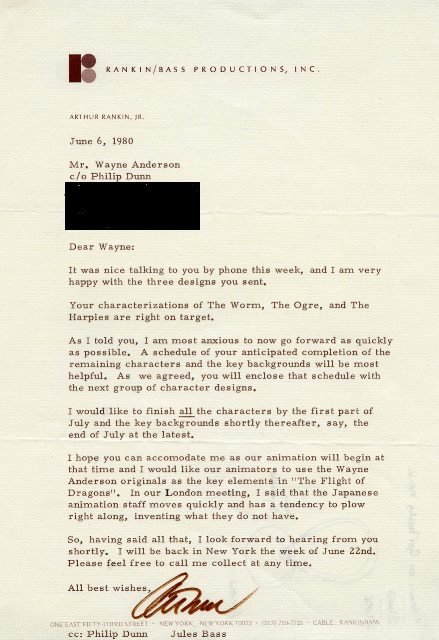
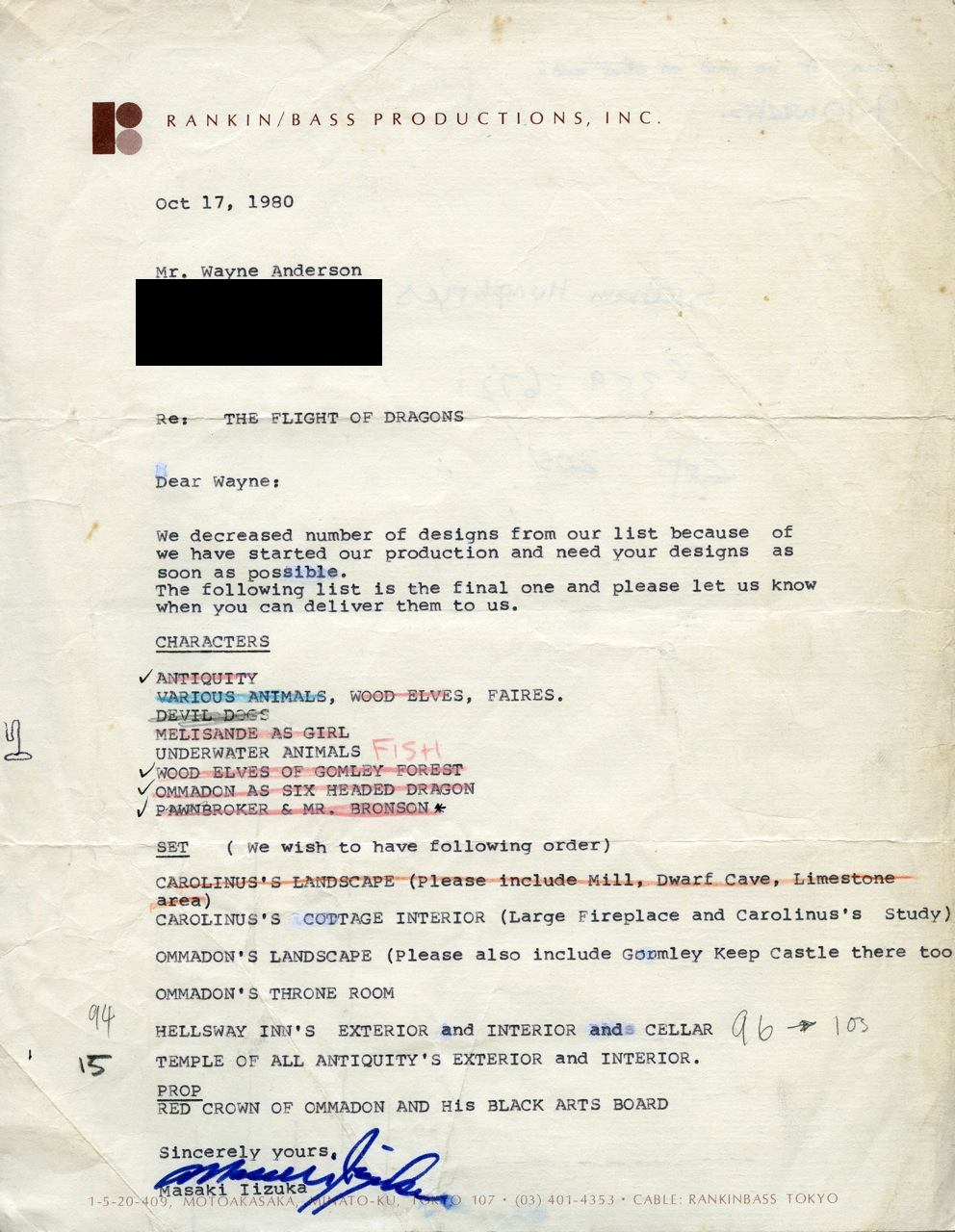
Concept art made by Wayne Anderson for various characters that appear in the film was released.
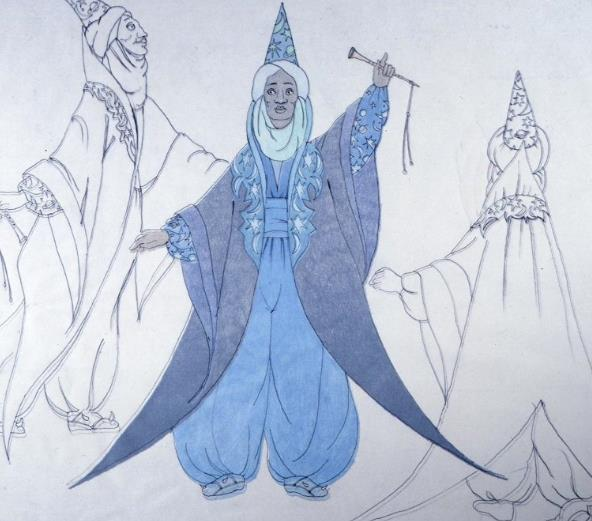
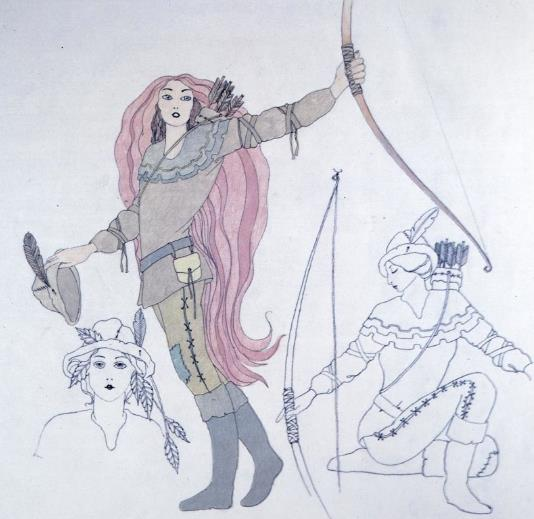
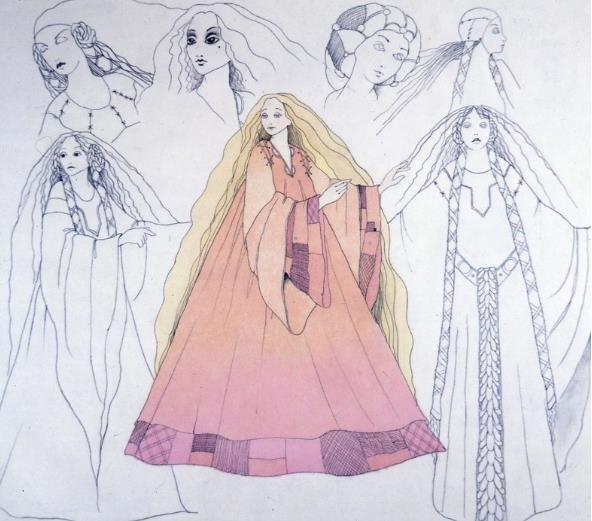
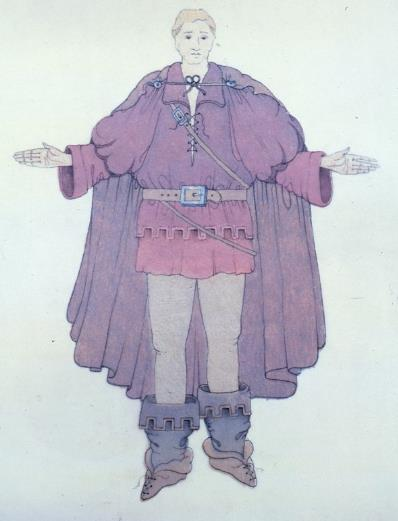
Fan projects
Live action movie
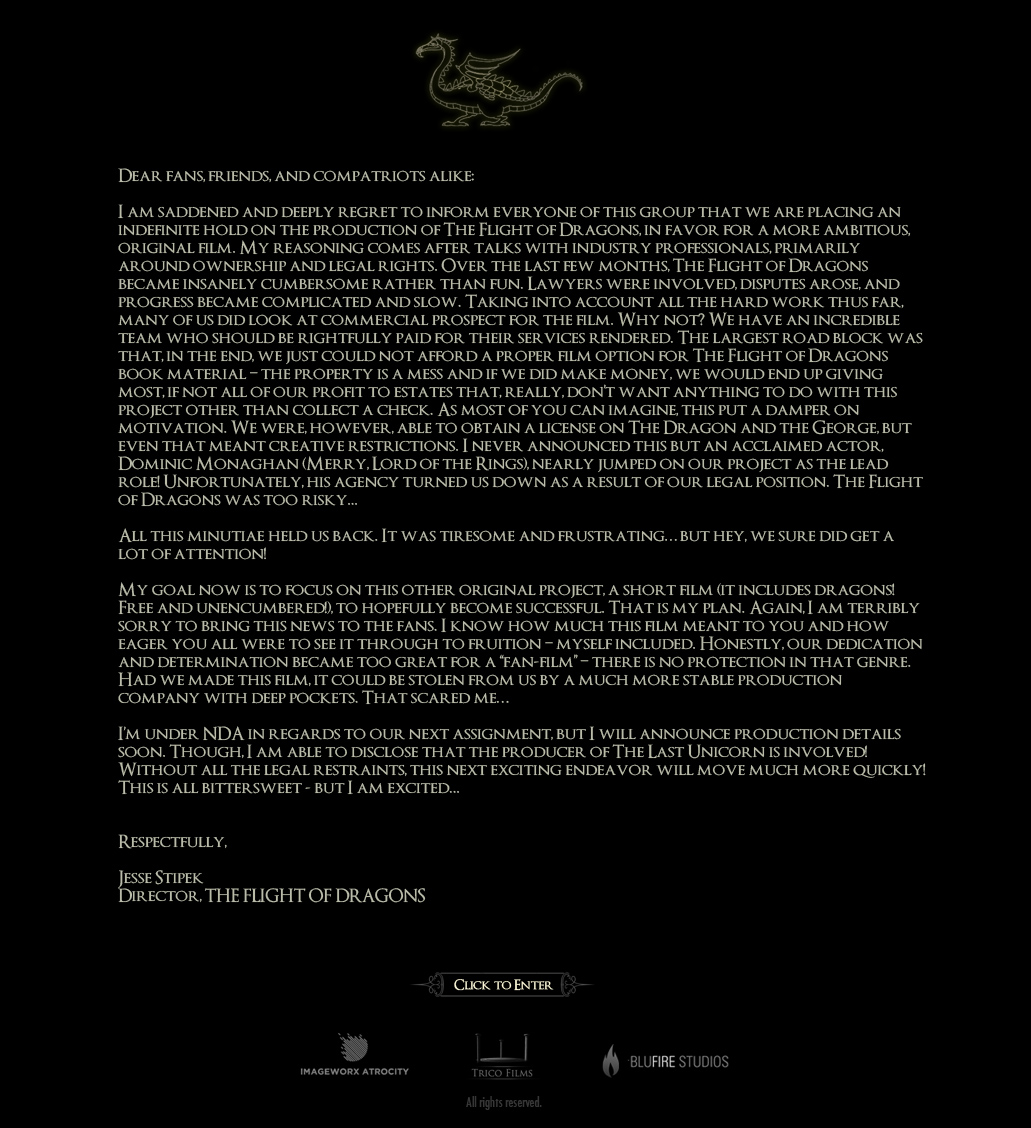
Since 2011, an independently-produced live-action adaptation of the 1982 animated movie had been in the works with Jesse Stipek as the director, which subsequently was placed on indefinite hold in 2013. The original plan was for the movie to release in parts as the budget would allow, starting with the trailer. To make this possible, a Kickstarter was launched.
The movie was said to star Seattle actor Andrew Tribolini ("A/V") as Carolinus. Joining him are composer Carl Johnson ("Piglet's Big Movie"), visual effects artist Mikhail E. Merkurieff ("Age of the Dragons"), cinematographer Connor Hair ("5th Street") and fantasy artist Christos Achilleos ("Willow") to create concept designs for the creatures. Some people who contributed to the original 1982 film were said to be contributing their time and work as well, including artist Wayne Anderson and composer Maury Laws.
Jennifer Miller acted as the storyboard artist for the movie and released some of their work. The storyboards that were published were likely limited to what was supposed to be the first episode of the live action project.
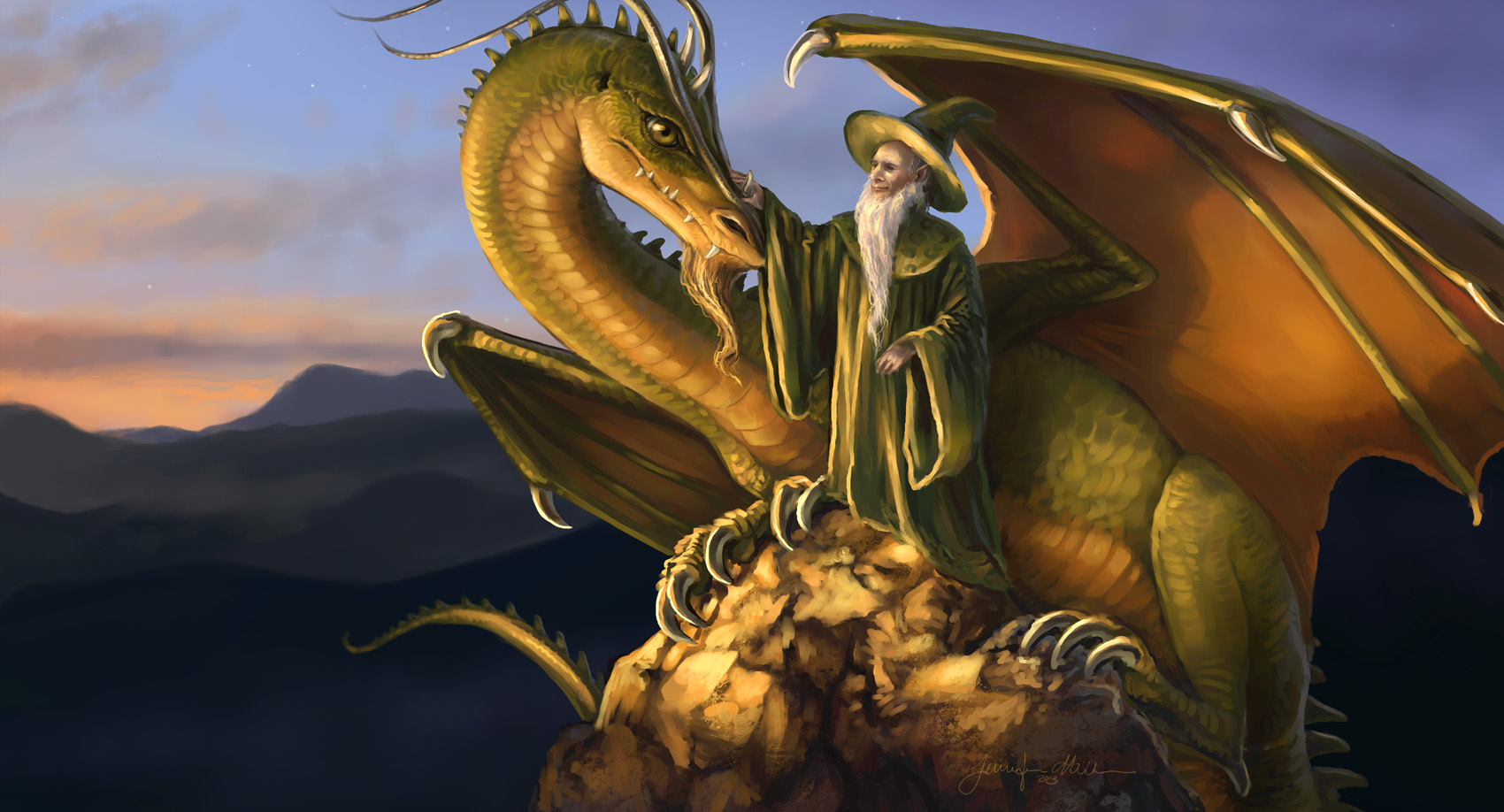
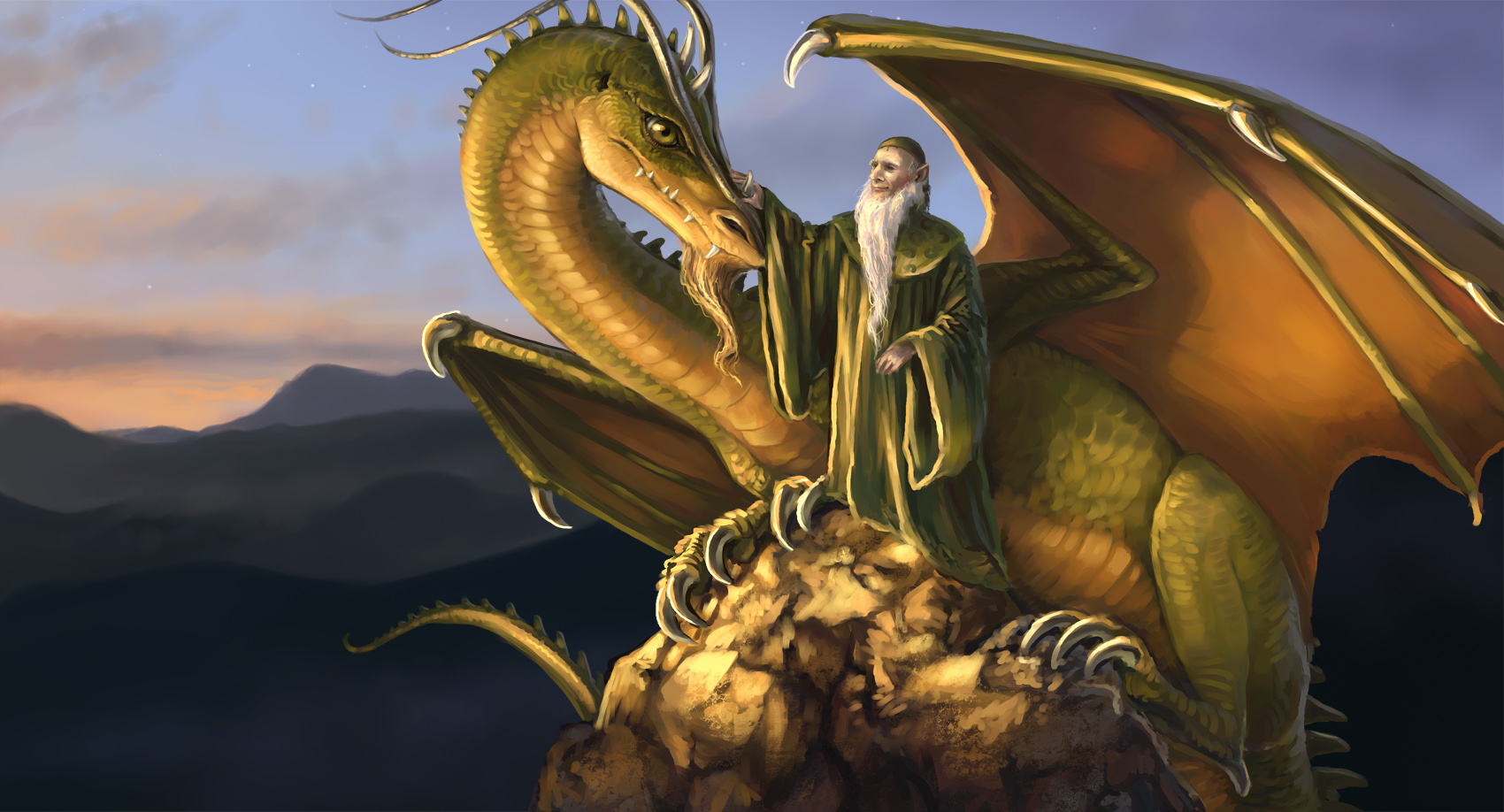
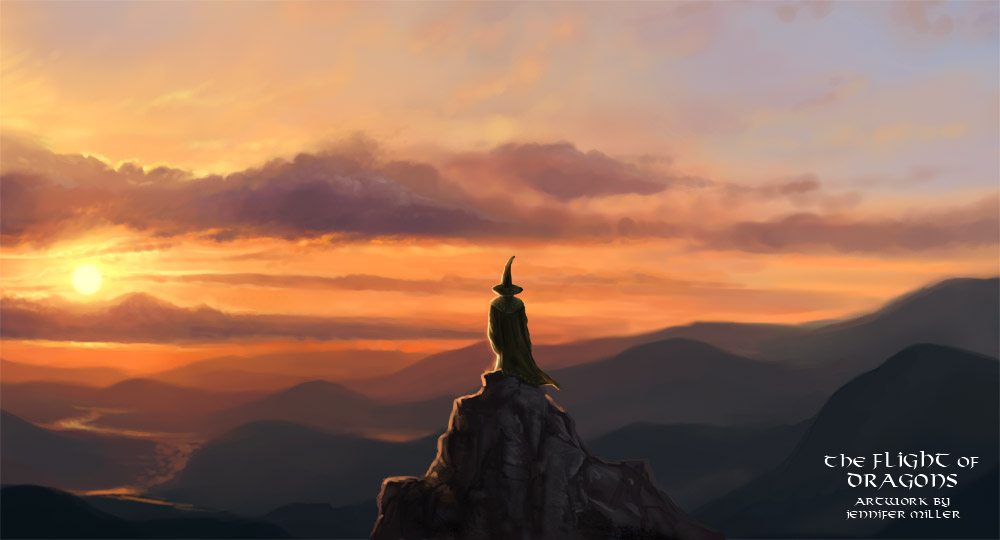
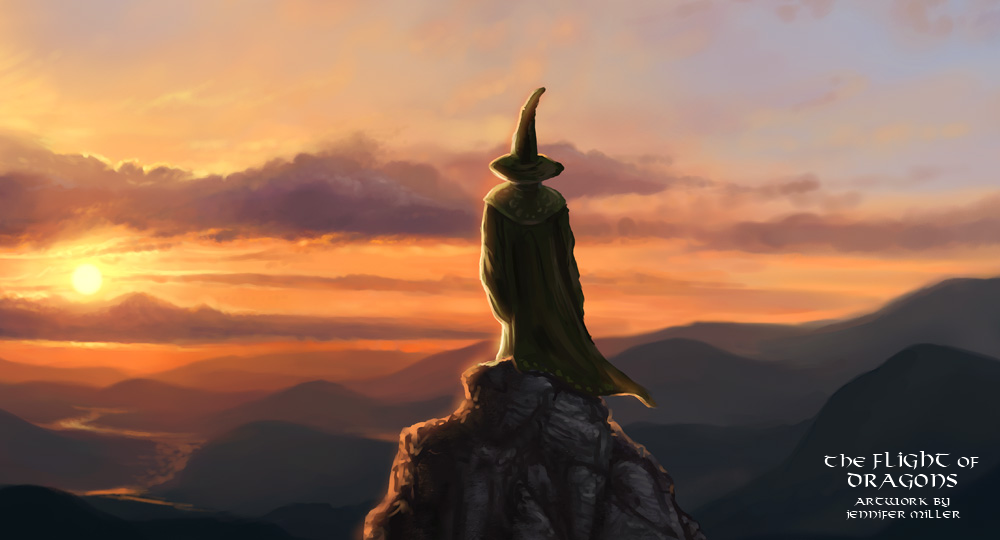
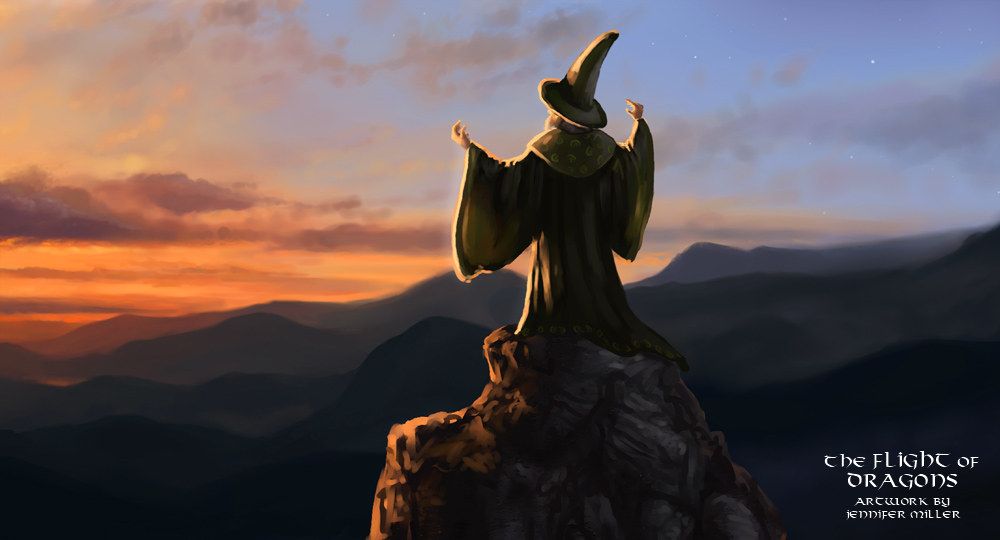
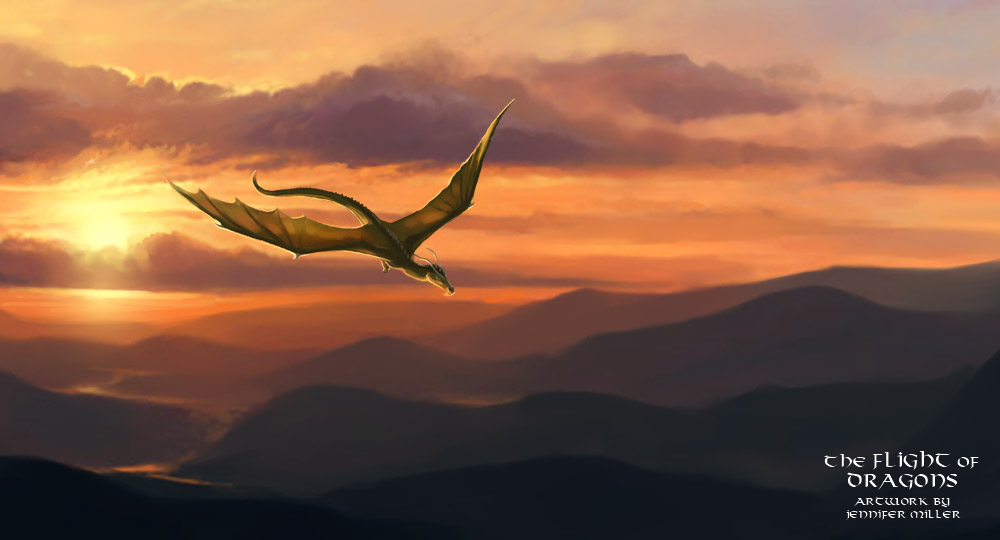
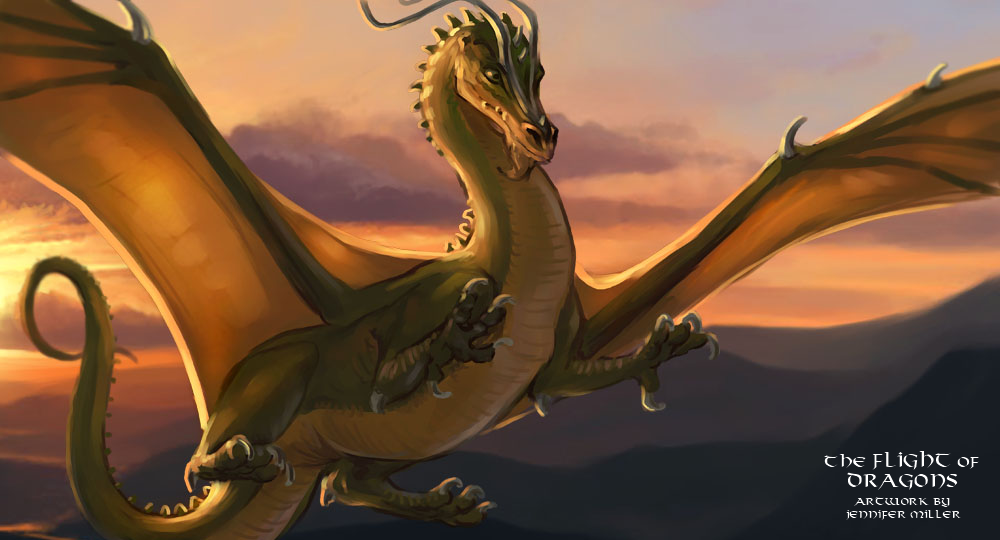
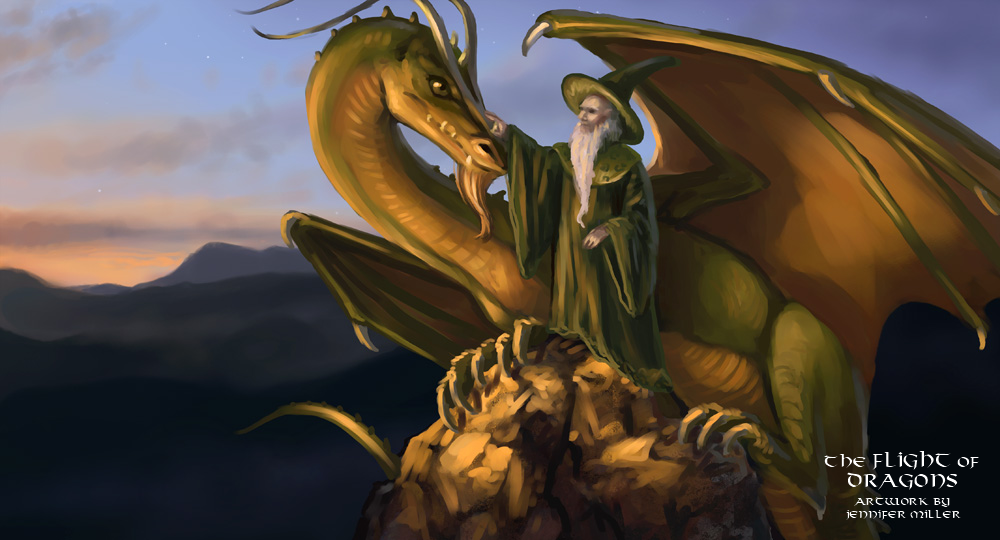
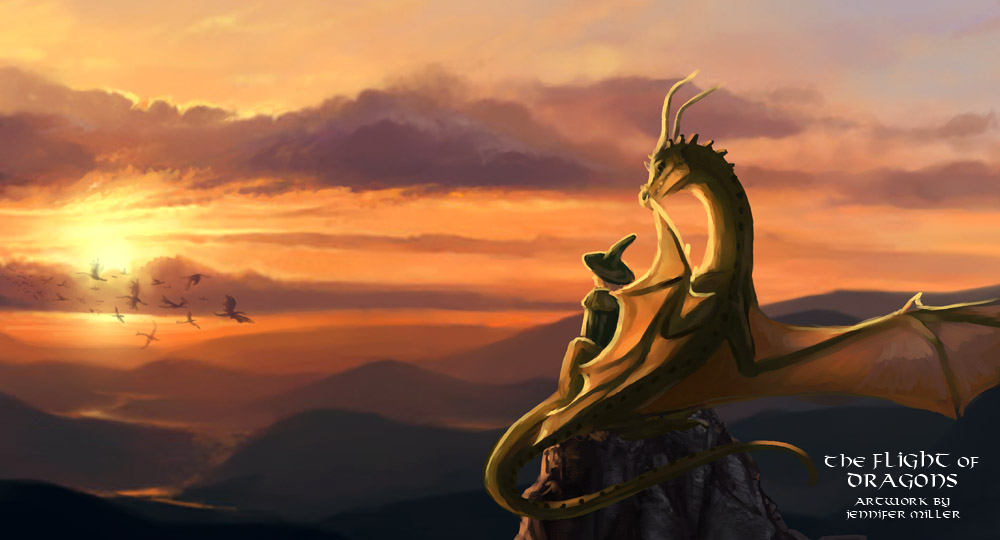
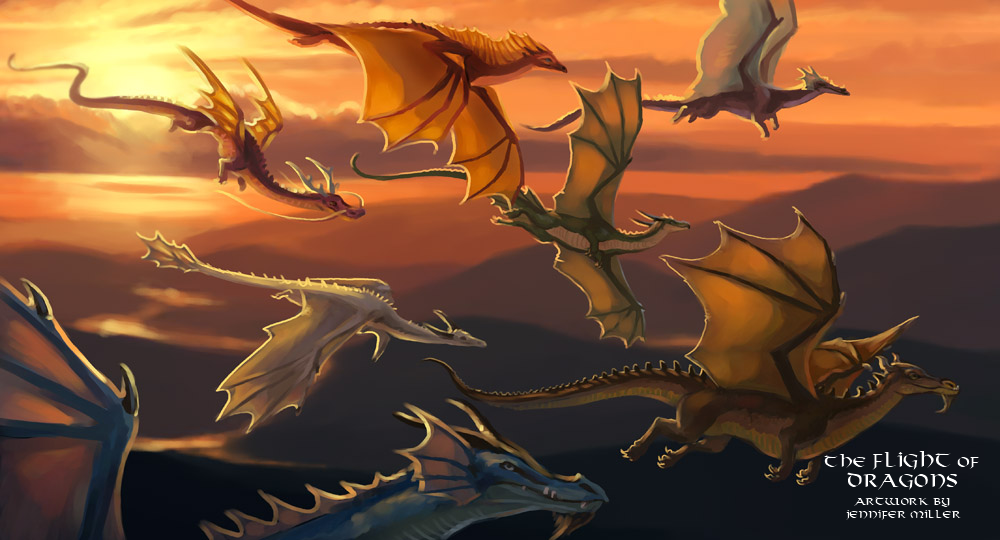
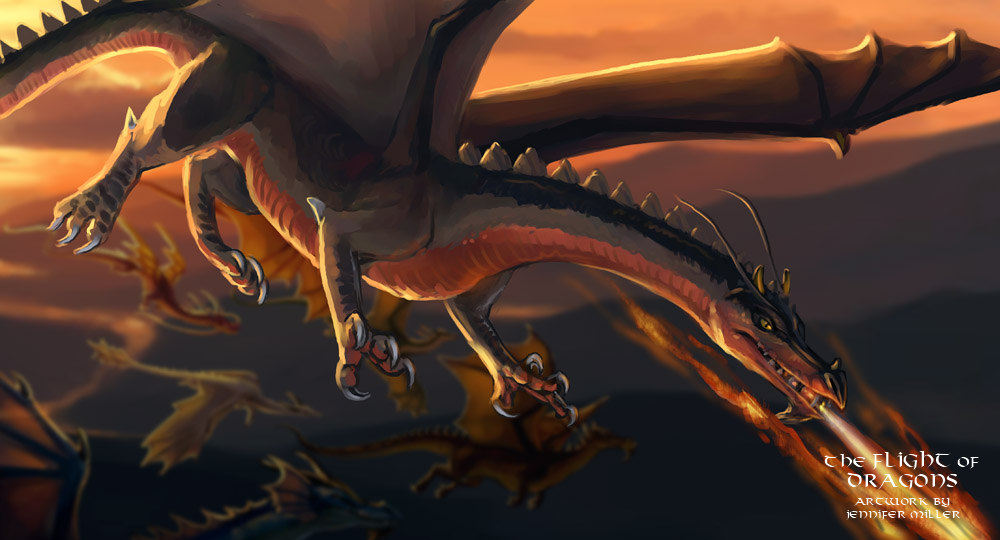
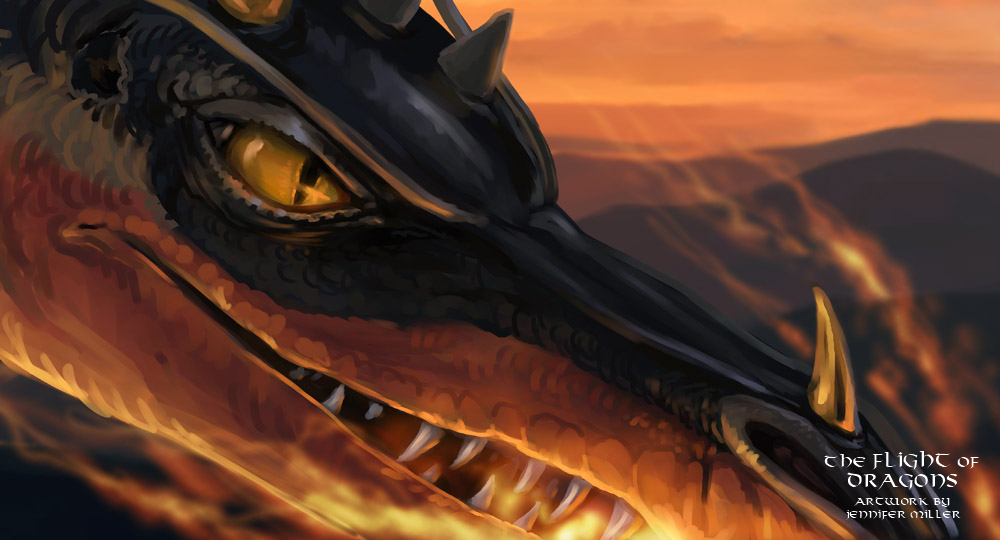
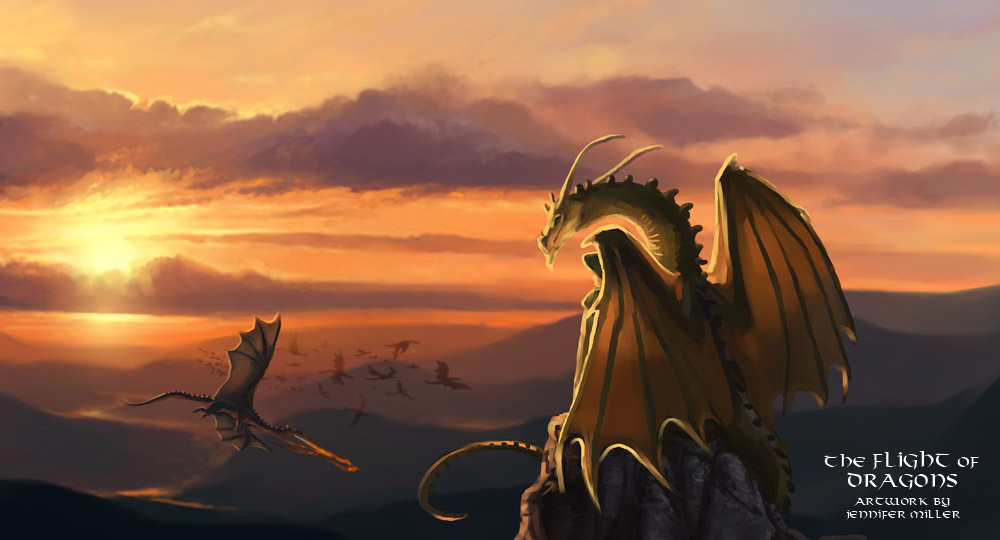
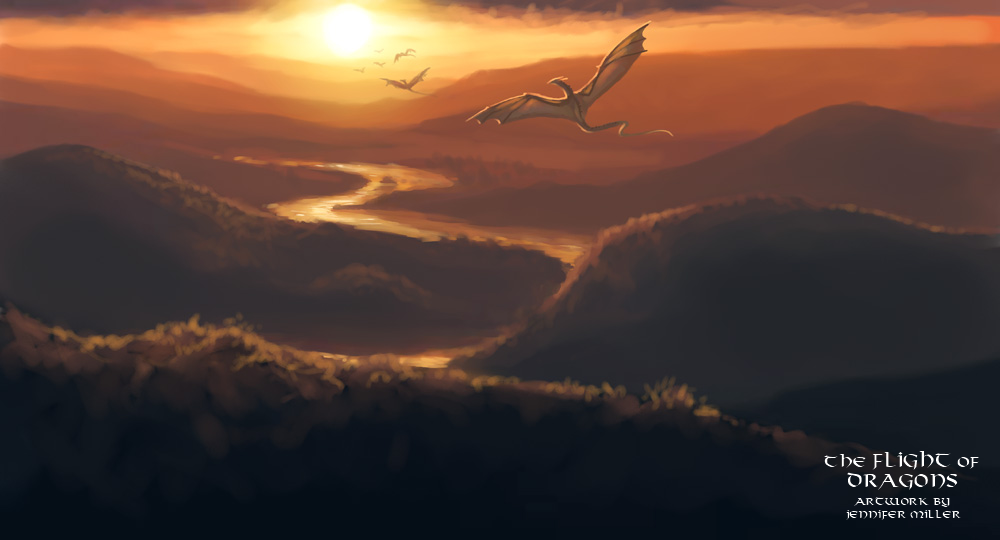
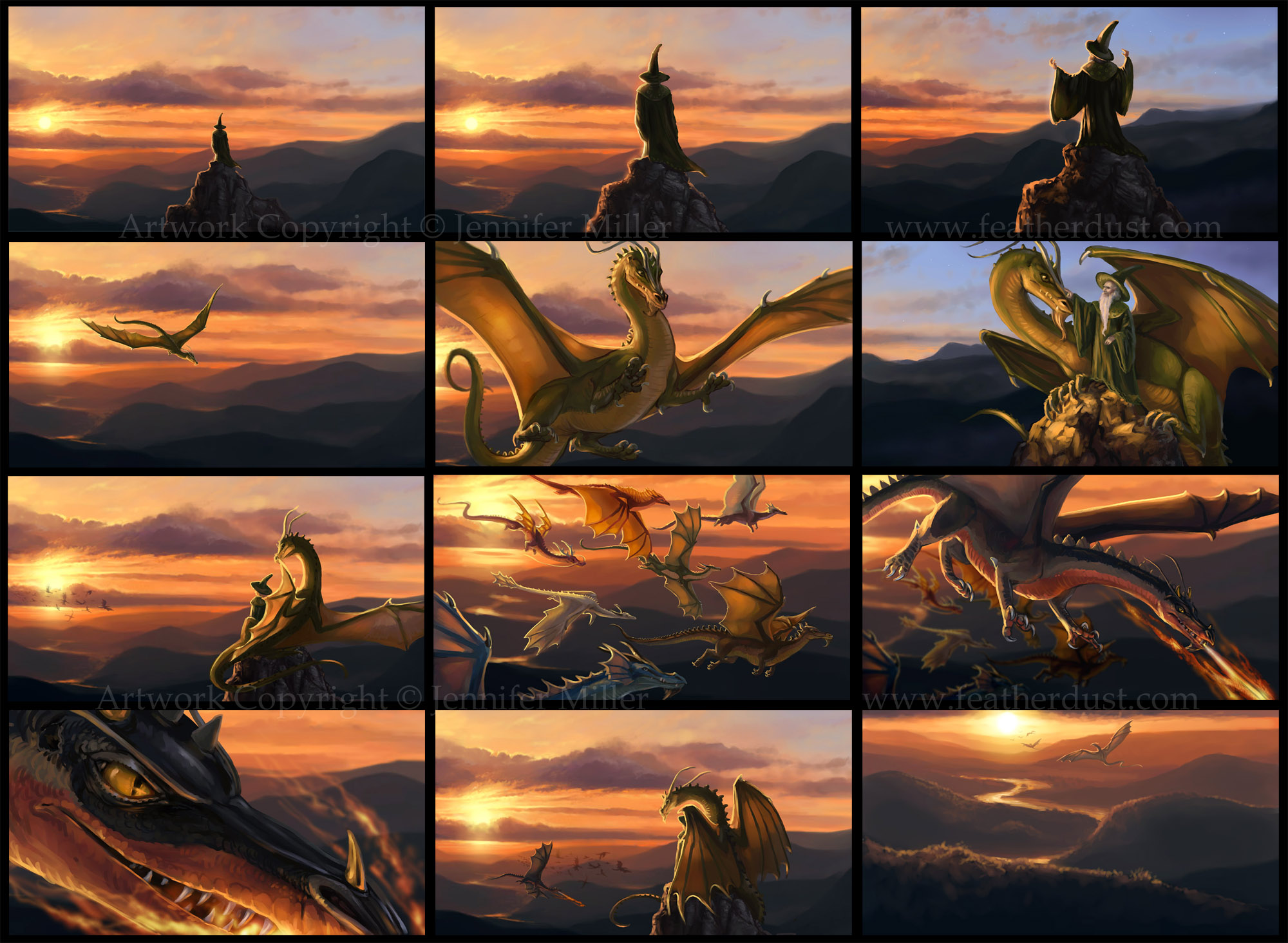
Carl Johnson composed the music; of their work, the intro fanfare and a track named "Melody" were released.
The Flight of Dragons - Melody.mka
The Flight of Dragons - Intro.mka
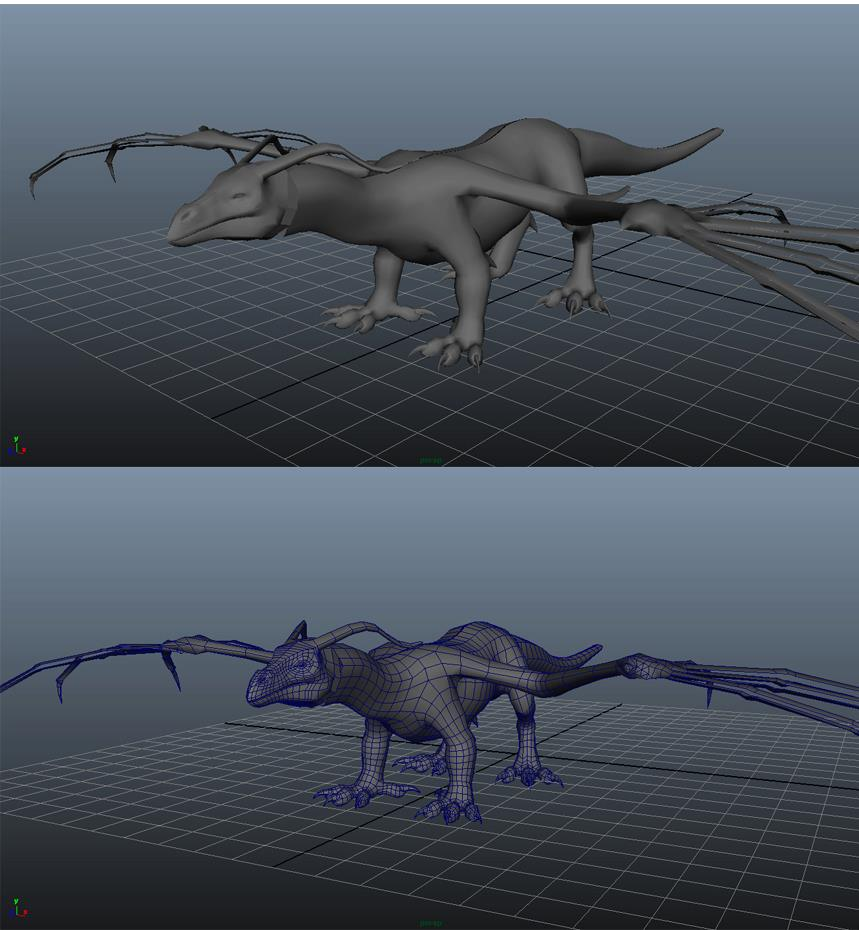
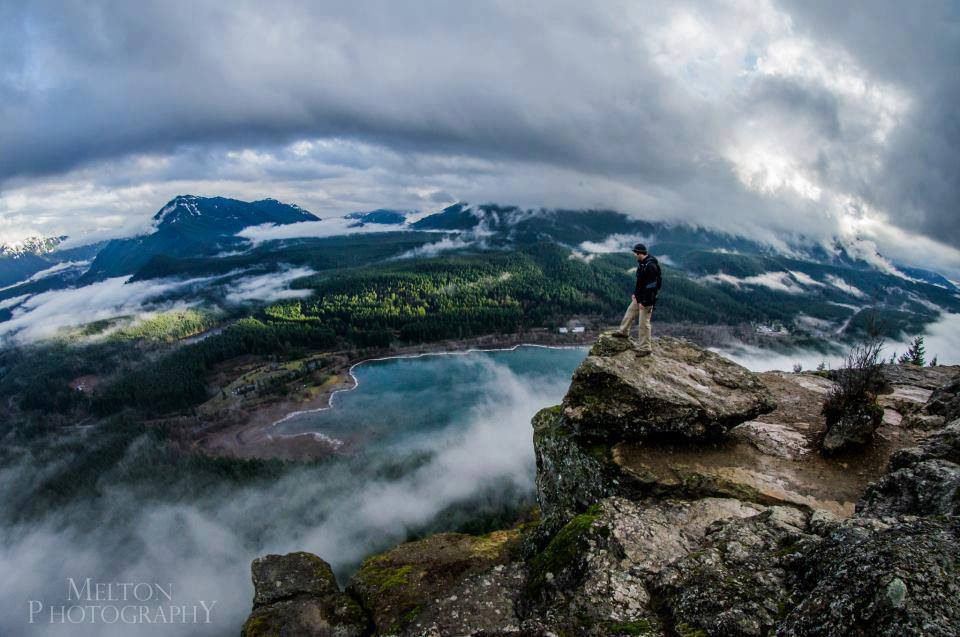
BluFire Studios was the VFX studio set to do the visual effects for the movie. Their most famous dragon-related VFX work is on the movie Age of the Dragons (2011). A screenshot showing an in-progress version of Gorbash's 3D model was released. Costume designs for characters such as Carolinus had also already been made, and a location for the opening sequence of the movie was chosen: Rattlesnake Ridge peak in Washington, about 30 miles east of Seattle.
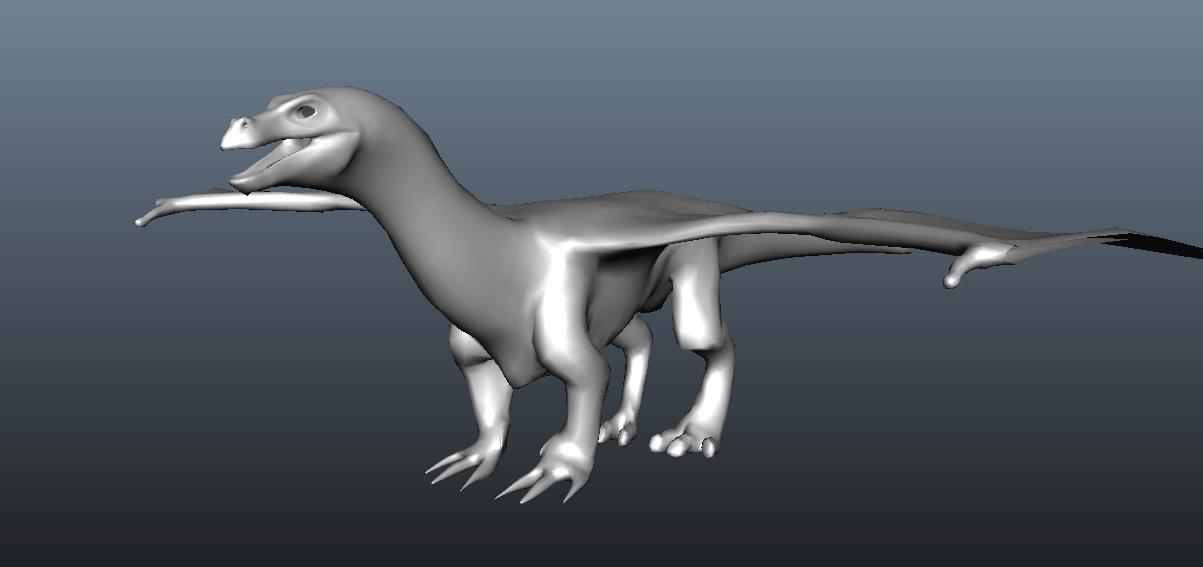
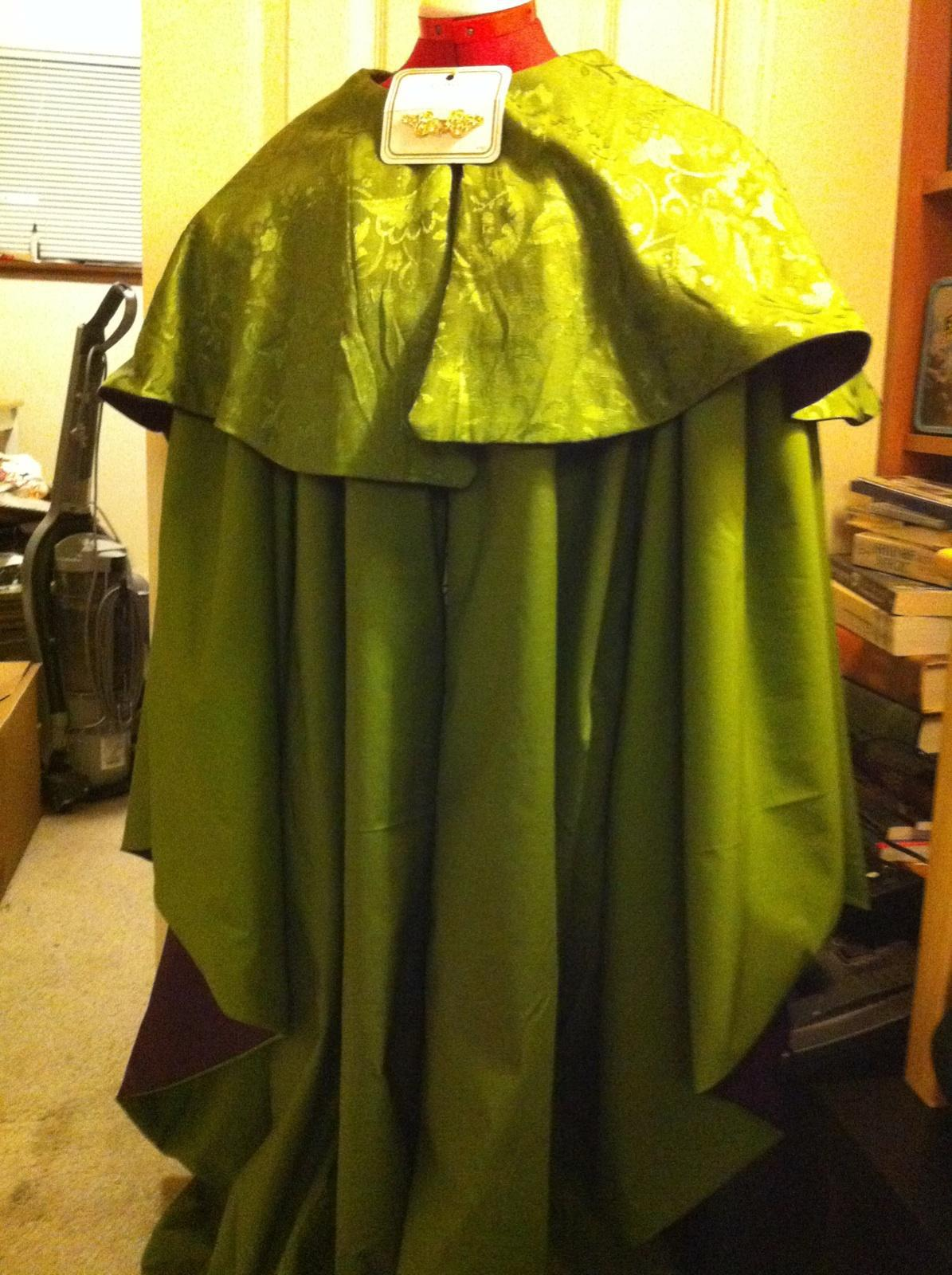
Some of the costume designs had also already been done as well, such as the one for Carolinus.
A location for the opening sequence of the movie was also chosen: Rattlesnake Ridge peak in Washinton, about 30 miles east of Seattle.
Despite obtaining film rights to the book "The Dragon Knight" by Gordon R. Dickson, the sequel to The Dragon and the George, in 2013, it was announced that same year that the project was permanently on hold due to legal complications.
Soundtrack project
A project that aims to restore the soundtrack of the movie and release it proper, unlike the official movie's soundtrack which never was released. In 2015, a funding campaign was started by Note in a Bottle Studios on Indiegogo, aiming for $8000 in order to fund orchestral recording sessions. Though it fell short, only gaining $365 in funding, the arrangements were still made and were uploaded to YouTube, although without a live orchestra.